






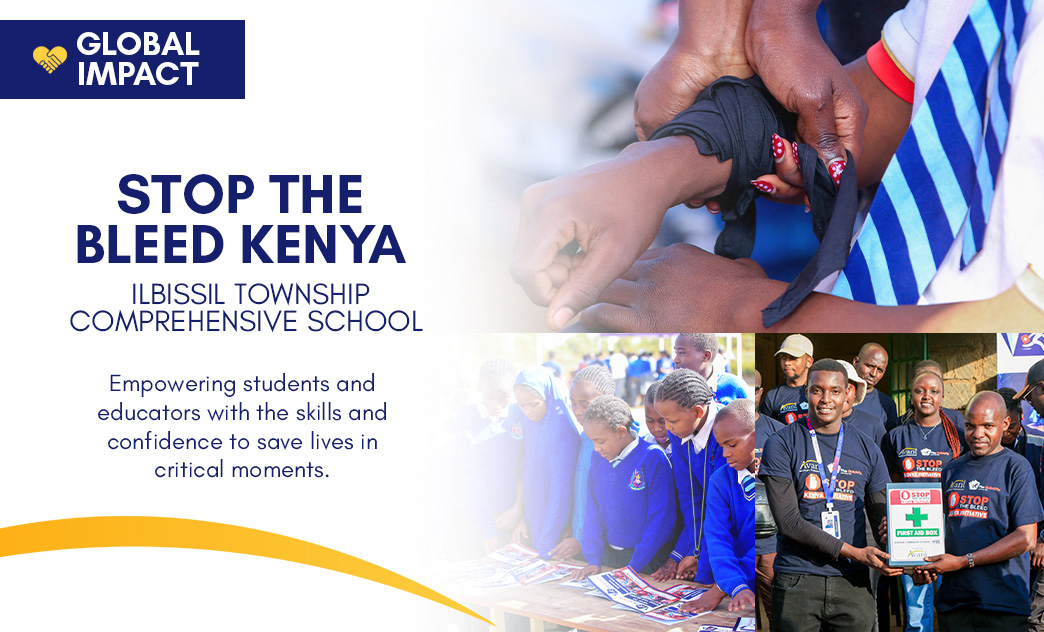
Stop the Bleed® Kenya: Building Lifesaving Skills at Ilbissil Township School
Key Takeaways
- Through a collaboration between Avant Healthcare Professionals and The QuickFix Learning Hub, 390 students, teachers, and school leaders received hands-on first aid and emergency response training in Bissil, Kenya.
- The STOP THE BLEED® Kenya program equipped participants with practical skills to become lifesavers in emergency situations.
- Training materials were created in Maa, Kiswahili, and English, helping ensure accessibility and long-term community impact.
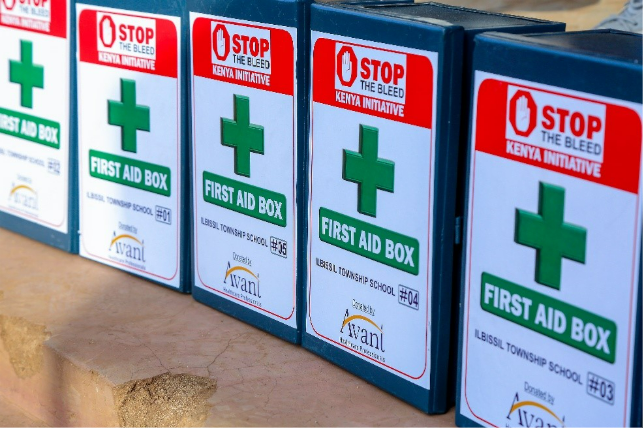
- Five fully equipped first aid kits were donated to the school, and student scouts were appointed as designated First Aiders to support ongoing emergency preparedness.
- The initiative demonstrates how community collaborations can create lasting impact by building confidence, expanding opportunities, and helping save lives.
When Minutes Matter, Knowledge Saves Lives
Imagine witnessing a classmate collapse during a sporting event or seeing someone seriously injured miles away from the nearest hospital.
Would you know what to do?
For many communities, especially those with limited access to healthcare, the answer can mean the difference between life and death.
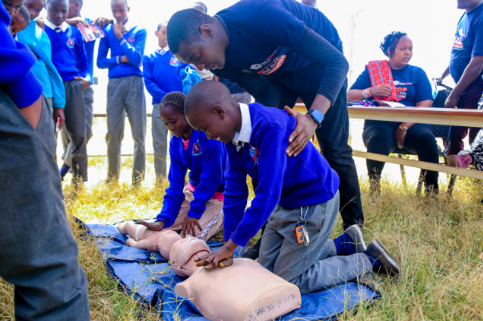
That’s why last month, Avant teamed up with The QuickFix Learning Hub to bring the STOP THE BLEED® Kenya Initiative to Ilbissil Township School in Kajiado County, Kenya. Together, the teams delivered a hands-on first aid and health education program designed to equip students, teachers, and school leaders with practical emergency response skills they can use when every second counts.
Why This Training Matters
In Bissil, healthcare resources are not always immediately accessible. When emergencies happen, the first few minutes are often the most critical.

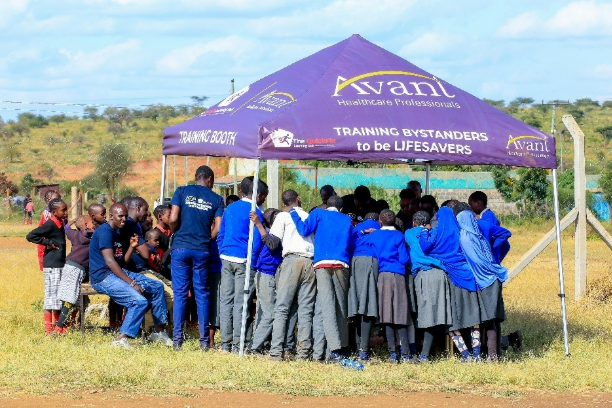
Recognizing this gap in emergency preparedness, the training focused on giving participants the skills and confidence to respond before professional medical help arrives. Every participant rotated through three hands-on learning stations covering:
- CPR, choking response, and recovery position techniques
- Bleeding control and STOP THE BLEED® Kenya methods
- Common medical emergencies such as seizures, asthma attacks, and abdominal emergencies
Rather than simply teaching theory, instructors emphasized real-world application. Participants practiced the skills themselves, asked questions, and learned how to respond calmly during emergencies.
A Community Comes Together
What made this initiative especially impactful was the teamwork behind it.
The training was delivered through a collaborative effort between Avant Healthcare Professionals Global Impact and The QuickFix Learning Hub, an organization founded by William Kimanzi, to expand access to first aid education and reduce preventable deaths through community-based training.
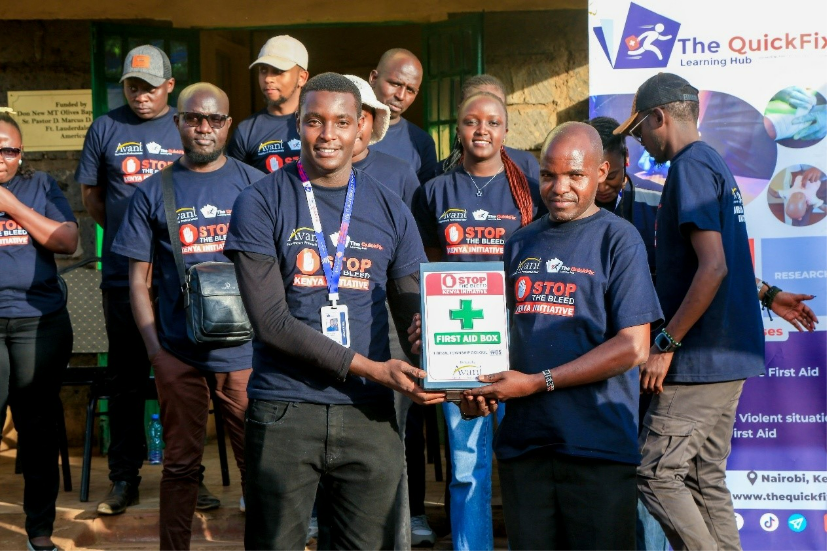
Six expert QuickFix instructors led the training, supported by six Avant nurses and Avant Scholars. A local translation panel also played a critical role, translating materials into Maa and ensuring the content was culturally relevant and accessible to the broader community.
This wasn’t a program developed for the community. It was developed with the community.
Turning Training Into Action
One of the most powerful outcomes was seeing participants realize that they could be the person who steps in and helps when every second counts.
As one student shared, “I feel like a hero that someone might need one day for medical help.”
In total, the program equipped 390 students, teachers, and staff members with lifesaving skills. Every participant received a certificate of completion, and the school was provided with five fully-equipped first aid kits to strengthen emergency preparedness on campus.

To help sustain the impact beyond a single training day, student scouts were selected to serve as designated campus First Aiders. These students now help manage the kits, promote safety awareness, and serve as leaders among their peers. In the weeks following the training, students have already begun putting their skills into action as First Aiders during regional sporting competitions.
That is the true measure of success: learning that doesn’t stop when the training ends.
Curiosity, Confidence, and Future Possibilities
While the technical skills were important, some of the most memorable moments came from the participants themselves.
Students arrived eager to learn. One aspiring journalist showed up carrying a notebook full of thoughtful questions, eager to understand every aspect of emergency response.
Teachers actively participated throughout the training, and one teacher even expressed interest in becoming a future STOP THE BLEED® Kenya instructor.

School leadership shared their appreciation for the program and requested future refresher sessions. Even younger students who weren’t part of the training asked when they would have the opportunity to participate.
The energy throughout the day reinforced an important truth:
When people are given the opportunity to learn, they often discover capabilities and ambitions they never knew they had.
Creating Lasting Impact
One reason this initiative was successful is that the focus extended beyond a single event.
Participants received first aid guidebooks in Maa, Kiswahili, and English. Resources were culturally relevant to ensure the training remained practical and accessible long after the instructors left. Five donated first aid kits provided the tools needed to continue practicing and responding effectively to emergencies.
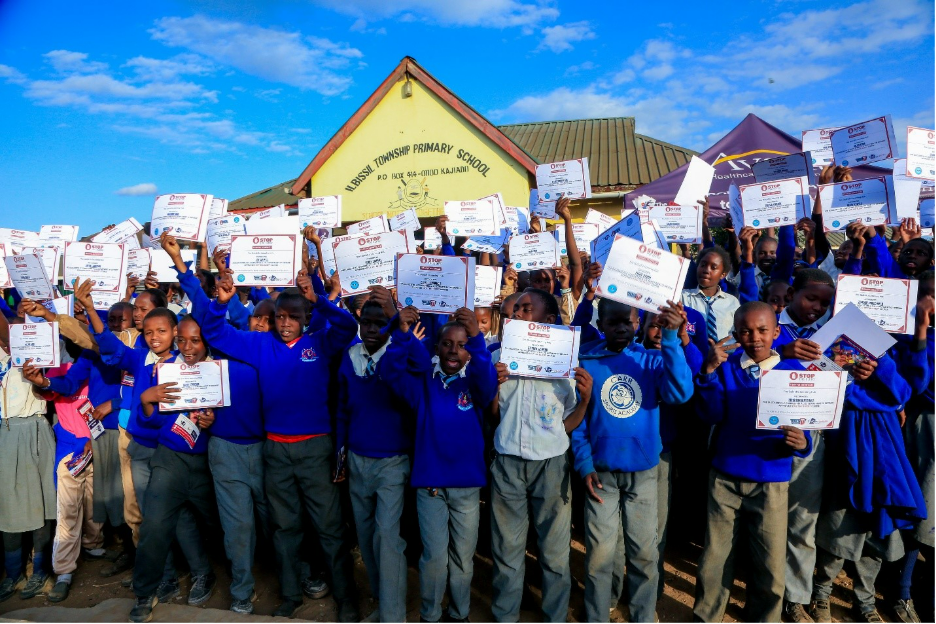
These investments help ensure the knowledge stays within the community and continues to grow.
Lasting impact isn’t created with just one day of training. It’s created when people have the resources, confidence, and support to continue using what they’ve learned.
More Than First Aid
The STOP THE BLEED® Kenya Initiative at Ilbissil Township School serves as a powerful reminder of what’s possible when organizations come together around a shared purpose.
Yes, 390 people learned lifesaving skills.
But something bigger happened.
Students discovered they could become leaders.
Teachers found new ways to serve their community.
A school strengthened its ability to respond to emergencies.
And a community became better prepared for tomorrow than it was yesterday.
At Avant Healthcare Professionals, this is what meaningful impact looks like: connecting people, sharing knowledge, creating opportunity, and helping communities build a healthier, safer future together.